Type of publication: scientific journal
Publication Frequency: quarterly
Year of establishment: 2008
Main content of the journal: original scientific articles, review articles
Founder and publisher: Surgut State University
Chief Editor: Lyudmila V. Kovalenko
The online journal is registered with the Federal Service for Supervision of Communications, Information Technology, and Mass Media (EL No. FS 77 – 85692 of August 3, 2023).
ISSN: 2949-3447 (online)
The journal is included in the List of peer-reviewed scientific editions of the Higher Attestation Commission, in which the main results of theses for the degree of Candidate and Doctor of Sciences are published in the following specialties:
3.1. Clinical Medicine:
3.1.4. Obstetrics and Gynaecology (from February 1, 2022);
3.1.18. Internal Diseases (from February 1, 2022);
3.1.20. Cardiology (from February 1, 2022);
3.1.21. Pediatrics (from February 1, 2022);
3.1.23. Dermatovenereology (from February 1, 2022);
3.1.9. Surgery (from February 1, 2022);
3.1.25. Radiology (from December 7, 2022).
3.3. Life Sciences:
3.3.3. Pathophysiology (from February 1, 2022).
Category in the Higher Attestation Commission List: 3
Languages: Russian, English
Reviewing: The Editorial of the Journal carries out scientific reviewing of all incoming materials for the purpose of expert evaluation. The type of reviewing is double-blind. All reviewers of the Journal are acknowledged experts on the subject of the reviewed materials.
Authors of the Journal: the Journal publishes articles by Russian and foreign authors.
Territory of distribution: the Russian Federation, foreign countries.
Full-text articles are provided in open access on the website https://www.surgumed.ru, in the Electronic Library of Surgut State University, the Russian State Library, on the website of the Scientific Electronic Library “CyberLeninka”, eLIBRARY.RU, Google Scholar, CNKI Scholar. The Russian Science Citation Index (RSCI) includes information about published materials.
The journal is registered in the Crossref system (each article is assigned an individual Digital Object Identifier – DOI). DOI prefix: 10.35266
The editorial board does not charge the authors for preparation, placement and publishing of materials.
Analysis of publication activity of the journal: https://elibrary.ru/title_profile.asp?id=38763
Contact Information:
Editorial office address: 628412, Khanty-Mansi Autonomous Okrug – Yugra, Surgut, ul. Energetikov 22
Email: science.journals@surgu.ru
Telephone: +7 (3462) 76-29-88
Website: https://www.surgumed.ru
Current issue
EDITORIAL

CLINICAL MEDICINE. REVIEWS
The creation of breast-milk substitutes, which would contribute to child growth and development, has been attempted for decades. The article demonstrates the evolution of diverse breast-milk substitutes in Russia from the pre-revolutionary period to the present day. The paper describes key stages in the history of breast-milk alternatives. These span the 19th and early 20th centuries, encompassing animal milk and primitive formula recipes, and extend to the Soviet era, which saw the implementation of milk kitchens and a domestic infant food industry. The authors emphasize the technological breakthrough and global practice integration in the studied field during the post-Soviet times. The research focuses on achievements in global, Russian, and Soviet pediatrics, as well as the modification of infant formula composition associated with the advancement in pure and applied sciences. Moreover, closer attention is paid to breast-milk substitutes’ adaptation to infant anatomical features and physiological needs. The work proposes a modern classification of the adapted formulas and showcases breast-feeding as the gold standard for human health and development despite current progress in the matter under consideration. The review’s purpose is to investigate the historical, technological, and social aspects of the Russian advancement in the breast-milk substitutes’ creation from initial industrial technologies to modern highly adapted formulas.
The article considers modern concepts of purulent-septic diseases in obstetric practice to improve perinatal outcomes. Currently, postpartum purulent-septic infections are one of the topical problems in healthcare worldwide. The incidence rate of the specified medical condition, as well as insufficient detection and diagnostics, are aggravated by excessive obstetric aggression. Consequently, the authors analyze the literature materials on the issue selected from PubMed, eLIBRARY.RU, Academia, CyberLeninka, Central Scientific and Medical Library, Scopus, and other databases while using the MeSH (Medical Subject Headings) terms. The examination keywords include: postpartum septic complications, postpartum endometritis, maternal sepsis, obstetric peritonitis, epidemiology, risk factors, cesarean section, preeclampsia, obstetric bleeding, uterine artery embolization, uterine devascularization, compression sutures, uterine necrosis.
CLINICAL MEDICINE. ORIGINAL RESEARCH
The paper assesses the quality of life (QoL) in patients with a virtual ileostomy after low anterior rectum resection compared to those having a permanent stoma. Thus, the article presents a single-center retro- and prospective study comprising 89 rectal cancer patients surgically treated in the Oncology Department of the Surgut District Clinical Hospital in 2018–2025. The first examined group includes 46 patients with a virtual ileostomy (VI) formed at the final surgery stage while applying the authors’ method developed at the aforementioned medical institution. The second group consists of 43 patients with a Turnbull’s loop ileostomy (LI) created during the initial surgical treatment. The patients’ quality of life is evaluated via the SF-36 survey. The first questionnaire is conducted among both groups upon admission to the hospital, i.e. prior to the surgery. The second assessment is carried out in the postoperative period: on the 10–12 day after the procedure before the virtual ileostomy parts removal among VI patients; 1–2 days before hospital discharge among those with a permanent ileostomy. The latter involves cases where a VI was replaced with a permanent stoma. Evidence from the study reveals no difference in the respondents’ preoperative quality of life. According to the Clavien-Dindo classification (CD), the LI group exhibited a statistically significant greater incidence of postoperative complications, encompassing CD I–II (p = 0.019) and parastomal complications (p = 0.013), with a rate of 18.6%, compared to the 12.2% observed in the virtual ileostomy group. The investigation does not detect any variations in the CD grade III–IV. Anastomotic leakage occurs in four VI patients (8.7%) and five LI examinees (11.6%, p = 0.734). Statistically significant differences in the respondents’ postoperative QoL are indicated using the following scales: physical functioning, role-physical functioning, bodily pain, general health, social functioning, mental health.
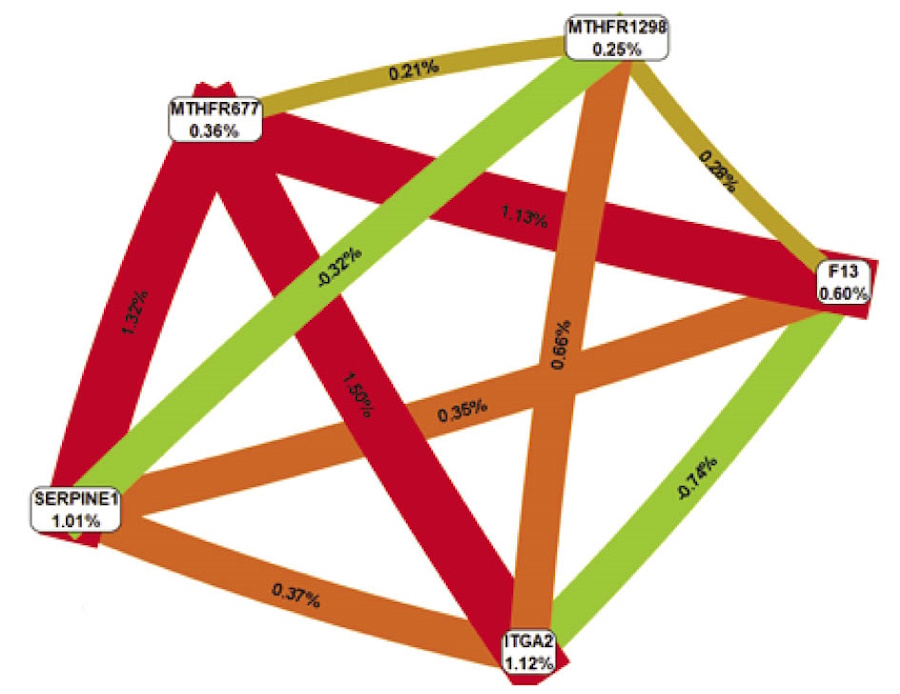
The research assesses how genetic polymorphisms of hemostasis and folate metabolism affect the great obstetrical syndromes development. The article is devoted to identifying the correlation between the pathology’s genetic polymorphisms and clinical manifestations. The investigation involves 248 pregnant women divided into a group having the specified syndromes (n = 129) and a control group (n = 119). Here, genotyping comprises 12 polymorphic loci associated with hemostasis and folate metabolism. The analysis of the allele frequency distribution reveals no profound differences between the groups. However, the relative risk evaluation demonstrates a connection between polymorphic gene variants, which are responsible for coagulation, platelet receptors, and folate cycle enzymes, and an increased possibility of the great obstetrical syndromes’ progression. Using multifactor dimensionality reduction, the authors designed a model of the synergetic relation between polymorphisms F13, SERPINE1, and MTHFR, which increase the obstetrical pathology risk. The findings show the complexity of genetic disposition to the great obstetrical syndromes. Further investigation is required to develop a prediction model that would integrate both genetic and clinical risk factors.
CLINICAL MEDICINE. CLINICAL CASE
The article aims to describe the pediatric challenges in treating patients having granulomatosis with polyangiitis (GPA) and emphasize the importance of using a multidisciplinary approach in managing multiple organ pathology of uncertain origin. To achieve this goal, the authors analyze a clinical case of generalized antineutrophil cytoplasmic antibody (ANCA)-associated vasculitis in a 16-year-old adolescent. The findings highlight the complexity and extended duration of a diagnostic search determined by polymorphic and gradually developing symptoms (damage to the ENT organs, joints, kidneys, and eyes). Therefore, the patient was found to have the specified disease after it had persisted for over a year. Delayed identification of the condition increases the risk of enduring organ damage, which could subsequently result in a poor prognosis despite an initial positive reaction to treatment. Thus, to improve the clinical outcomes of ANCA-associated vasculitis in teenagers, it is essential to raise awareness of the condition’s peculiarities among pediatricians.
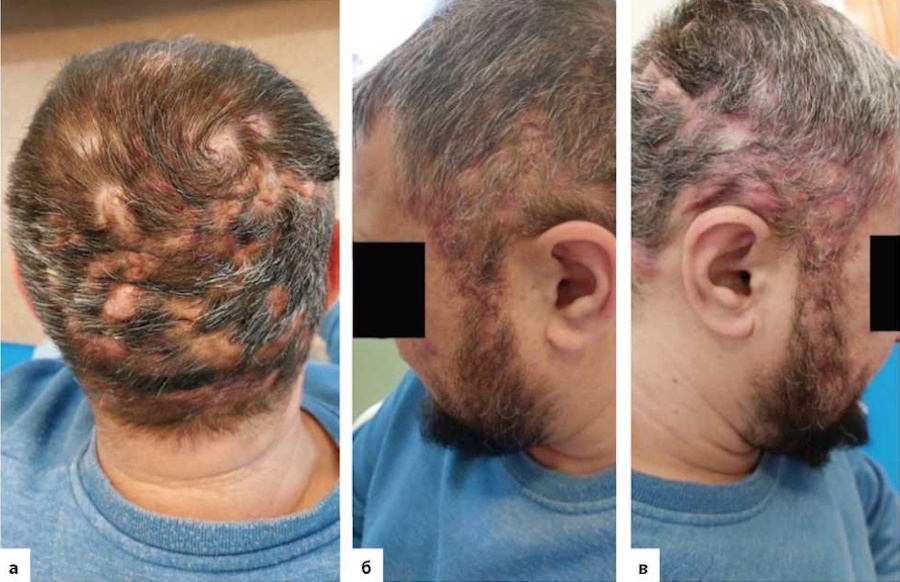
The paper describes a clinical case of perifolliculitis capitis abscedens et suffodiens, or Hoffmann’s dissecting cellulitis, successfully treated via systemic retinoids. The case is of interest due to the rareness, sudden onset, severity, torpid course, and treatment resistance of the specified medical condition. The study’s relevance also lies in the disease’s tendency to relapse and develop ulerythema on the prolonged and frequently profound inflammation spots, which significantly reduce the patients’ quality of life. Therefore, it is necessary to organize the current scientific information concerning this uncommon medical condition and establish clinical protocols for the management of dissecting cellulitis.
LIFE SCIENCES. REVIEWS
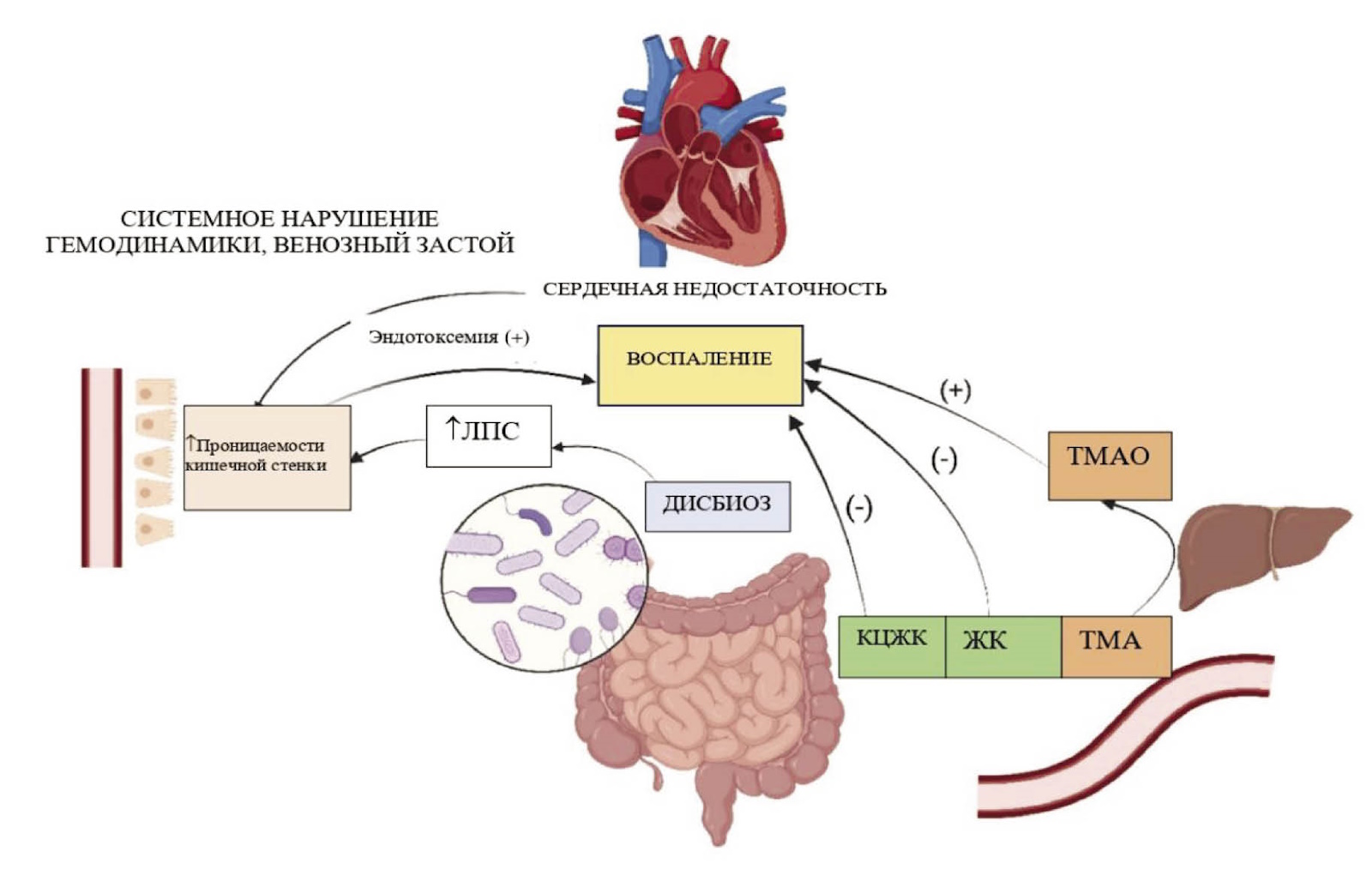
Cardiovascular diseases represent a major cause of death worldwide, resulting in 20 million deaths each year. Substantiating only 55–65% of cardiovascular outcomes, traditional risk factors dictate the need to find new pathogenetic mechanisms and therapeutic targets in the treatment of the specified medical condition. Thus, scientists are actively developing a novel pathogenesis concept of the gut-heart axis. The article analyzes the literature on the gutheart axis determinants, such as diet, physical activity, pharmacotherapy, and probiotics. The authors underline the influence of gut microbiota metabolites, i.e. short-chain fatty acids, secondary bile acids, tryptophan indole derivatives, and trimethylamine N-oxide, on the cardiovascular system. Understanding the gut-heart axis offers new therapeutic options for the primary and secondary prevention of cardiovascular diseases via targeted gut microbiota exposure.
LIFE SCIENCES. ORIGINAL RESEARCH
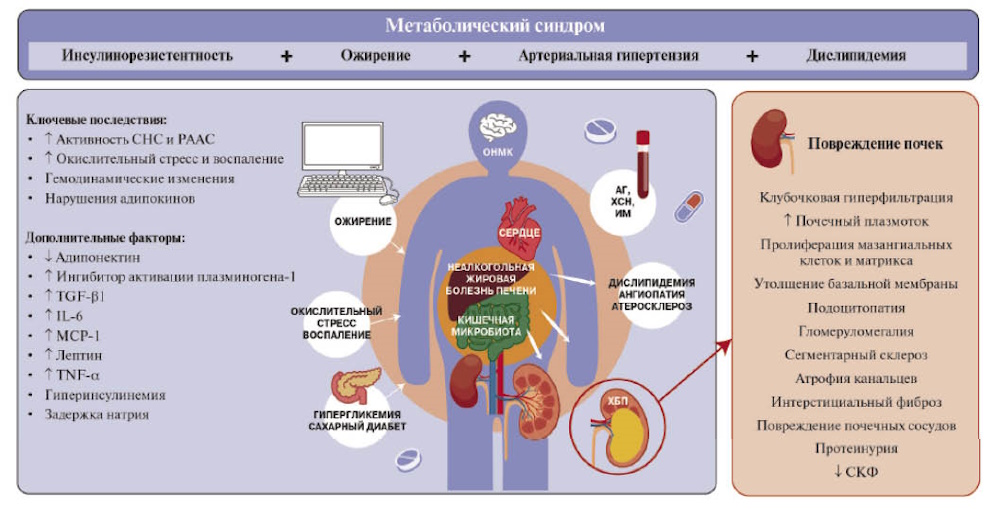
According to the World Health Organization, the leading global mortality causes are cardiovascular diseases and diabetes mellitus, which result in over 20 million deaths each year. Therefore, the study determines the predictors of metabolic syndrome X, i.e. cardiovascular-renal-hepatic-metabolic syndrome (CRHM), in residents of the region equated to the Far North. The research is based on clinical and epidemiological data on the prevalence of comorbid diseases, or syndemics, and the specified syndrome development in the Northern region covering a 13-year-old period. By comparing the epidemiological components of CRHM, the authors provide statistical justification for its incidence and importance in the area. The findings are relevant to other similar regions in Russia and in the world. Results confirm the progression of the main disease parameters, such as obesity and diabetes mellitus, which are the established indicators of I–IV stages for metabolic syndrome accompanied with hypertension, coronary heart disease, associated cardiovascular conditions, and non-alcoholic fatty liver disease. The listed syndemic diseases define the metabolic syndrome pathogenesis, given lipotoxicity, insulin resistance, inframmaging, and atherogenic dyslipidemia. The work accentuates the early development of CRHM in the region, despite the relatively young age of the northern people. Consequently, this phenomenon leads to a reduction in the quality of life and life expectancy among the population in question.
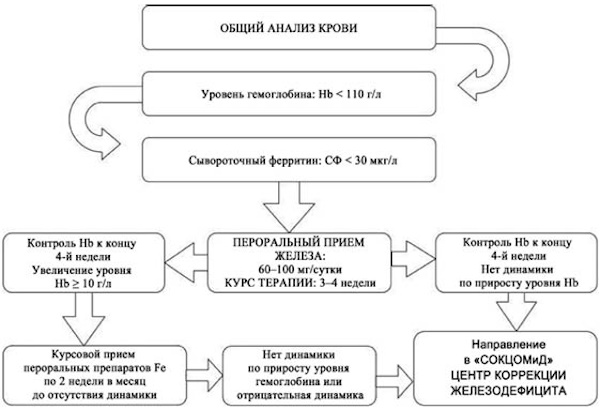
Iron deficiency anemia (IDA) remains one of the most relevant medical and social issues globally. The article aims to compare the effect of combined iron therapy and monotherapy via oral iron drugs on the pregnancy course, labor, and neonatal outcomes in women with IDA. Involving 149 pregnant women with the specified pathology, the authors carried out a prospective study. The examined were divided into 2 groups: the main group (n = 121) was treated using combined therapy (oral and parenteral iron medications); the control group (n = 28) received oral therapy only. The paper evaluates the groups’ peculiarities in the pregnancy course, labor outcomes, neonate medical condition, including cord blood ferritin and hemoglobin. The research reveals that combined therapy reduces the incidence of urinary tract infections (5.8% versus 21.4%, p < 0.05) and premature rupture of membranes (7.4% versus 21.4%, p < 0.05). In contrast, oral therapy increases the risk of postpartum hemorrhage (14.3% versus 5%, p = 0.093) with the subsequent need for blood transfusion (25.0% versus 3.3%, p < 0.001) and parenteral iron therapy for IDA (10.7% versus 1.7%, p = 0.046). The combined therapy efficacy is confirmed by the following laboratory values: a higher Hb level in the antepartum and postpartum period (p < 0.001). The absence of statistically notable differences in hemoglobin (159.4 versus 156.2 g/L, p = 0.394) and ferritin (104.3 versus 186.0 μg/L, p = 0.108) levels in umbilical cord blood between the studied groups indicates that combined therapy does not significantly improve neonatal iron status. Further studies evaluating long-term neurological outcomes are needed to determine the effect of iron therapy on postnatal development.
LIFE SCIENCES. EXPERIMENTAL RESEARCH
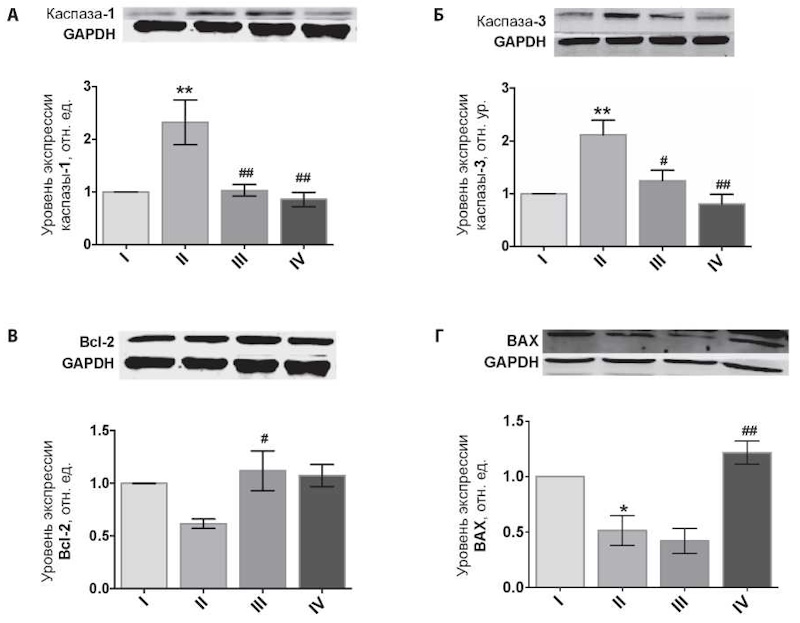
Chronic alcohol intoxication is a major medical and social issue that leads to permanent cognitive impairments and central nervous system injury. The neuronal damage is highly influenced by the activation of programmed cell death (apoptosis and pyroptosis). Still, the contribution of specific molecular mechanisms, agents, and triggers requires further investigation. The paper examines monosialotetrahexosylganglioside (GM1) as a promising neuroprotective agent. The research purpose is to comprehensively assess the GM1 ganglioside impact on learning, memory, and expression of the main apoptosis regulators (caspase-1, caspase-3, Bcl-2, Bax) in the mice hippocampus under prolonged experimental alcohol intoxication. The study includes 40 mice of the BALB/c line divided into a control group, an ethanol intoxicated group, and two groups receiving a combination of ethanol and GM1 at doses of 10 mg/kg and 30 mg/kg. The authors apply a passive avoidance test to evaluate memory, whereas protein expression is analyzed by means of western blotting. The findings statistically confirm that alcohol intoxication impairs memory consolidation and increases levels of the pro-apoptotic markers, such as caspase-1 and caspase-3, in hippocampus. GM1 injection results in a neuroprotective effect on the biochemical level; it considerably reduces the caspases expression and shows a dose-dependent relationship with the Bcl-2 family of proteins. Nevertheless, the study detects no significant behavior improvements.
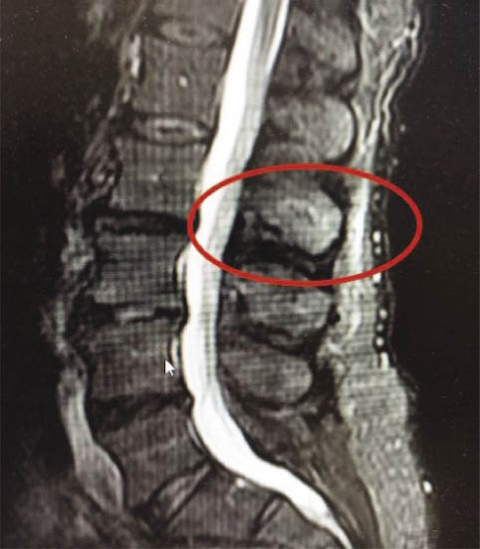
Intraosseous drug administration has been practiced in medicine for nearly a century. Initially, intraosseous access was an option for administering anesthetic medications, blood loss replacement, and diagnostics. Nevertheless, since 1953, researchers have focused on substantiating the efficacy of intraosseous infusion in disease treatment. The creation of magnetic resonance imaging (MRI) made it possible for doctors who applied intraosseous access to observe changes in bone marrow tissue post-procedure. This could serve as a reason to refuse the therapy under consideration. Modern medical science lacks studies that would justify the safety of intraosseous infusion as well as demonstrate postoperative regeneration or degeneration of bone marrow tissue. The purpose of the paper is to present a clinical follow-up of reversible bone marrow changes after an intraosseous infusion course based on MRI scans. The article describes a case of tendinosis affecting the right flexor digitorum superficialis tendons. Following the treatment that incorporated Professor Evgenii L. Sokov's method, the patient underwent an MRI of the injection area. Final scanning was conducted 3 months after the therapy. Upon course completion, the research identified reactive changes in bone marrow tissue, i.e. tissue heterogeneity associated with inflammation. Still, the authors highlight the regression of the detected changes in the specified area 3 months post-treatment. Intraosseous drug administration is a safe therapeutic approach. Its efficacy is achieved through both the selected medication and established osteogenetic mechanisms addressed in the scientific works of G. A. Yankovsky, E. L. Sokov, L. E. Kornilova, and their followers. Caused by intraosseous infusions, the changes in bone marrow tissue are reversible and innocuous, which is confirmed by histological and clinical data and the presented clinical follow-up using MRI.